

Your world has just been turned upside down. You never imagined this would happen to YOU, and yet here you are in the throes of pregnancy loss. I extend my compassion and sympathy to you and your family at this time. May you find a peace that surpasses all understanding and receive love, care, and support from your family and close friends.
Whether you miscarry in the first few weeks of your pregnancy or further along, the process will be similar, although the severity will be different. Whether you allow nature to take its own course or you receive medical care and support through this time is a personal choice, however, if you ever feel spaced out, confused, sleepy, feverish with clammy skin, and a poor colouring, it's time to seek urgent medical care. If there is excessive bleeding (soaking through a pad within 2 hours) and cramping, medical care needs to be sought. With any miscarriage, there is a risk of infection and haemorrhage, no matter the gestation. Keep in touch with a midwife or other health care provider. It is highly recommended that you have someone with you at all times, just in case you need to get to the hospital.
A miscarriage is a birth, and your body will go through the birthing process for the uterus to empty. The long neck of the cervix will shorten and dilate. The uterus will have waves of contractions that will build in intensity until your baby, placenta, and sac pass.
After the miscarriage, cramping and bleeding may continue for 5-7 days, becoming less heavy and less intense over time. If you continue bleeding heavily with or without clots, it may be a sign that some residual tissue is retained in your uterus. Again, this will require medical attention.
Your body needs time to adjust to from being pregnant to not. Depending on how far along your pregnancy was, you may be lactating. Natural remedies or medication can stop lactation, or you may consider donating your milk for high risk babies. There is no right or wrong here. Your hormonal system needs to readjust, and your emotions will obviously be heightened, needing time to process and come to terms with your loss. There are many independent support groups and charities to support you and your husband/partner through this time of grief. See Pregnancy & Baby Loss Resources for Northern Ireland.
General Recommendations After Miscarriage
- This is a time for gentleness, comfort with much love and extra support. your healing will be unique to you. Don't compare your journey to someone else's as everyone has had different experiences throughout their life and their path to recovery is their own.
- Increasing Vit C to 1000 mg daily will prevent infection, along with zinc to boost your immune system.
- Talk with your partner about your feelings and theirs. If necessary, reach out to a qualified grief councilor to help you process your grief and perhaps your guilt too.
- Herbal teas can be used to calm your nervous system and steady your emotions. eg chamomile, raspberry leaf, lavender. lemon balm.
- Consulting with a herbalist/homeopath who can suggest tinctures/ homeopathic remedies to aid healing and restoration physically and emotionally is another option to consider.
- Avoid sexual intercourse until bleeding has stopped, and you are emotionally ready.
Nourishment During Pregnancy Loss
This is a time to tune into what your body needs. Often it will be warming, soft and comforting foods. You will want food not only for its nutrients, but also for the emotional comfort it can bring.
You may find that your digestion has slowed down as your body is wanting to extract all the nutritive properties from the food you're eating. Foods that are warming, soft and bone broth based can support this. Eating cold and/raw foods are harsh on the digestive system and may increase pain and discomfort.
Meals that support this can include the likes of : soups, chowders, stews, porridge, curries, broth
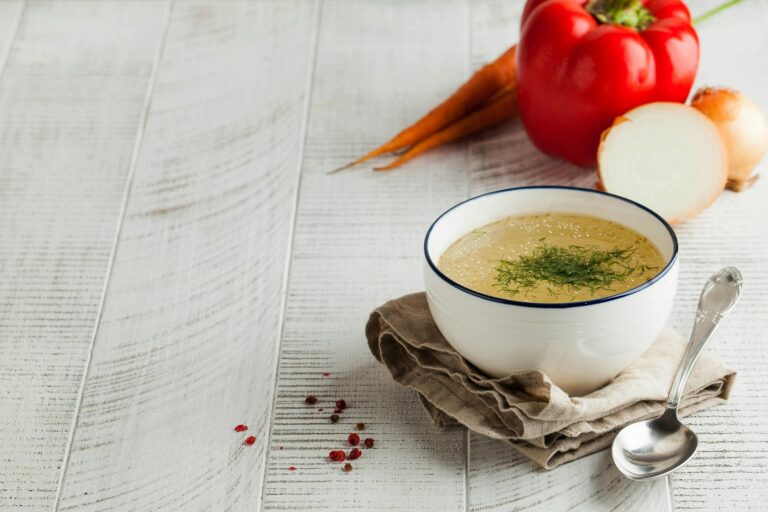
Initially, light meals are suggested as the food puts less stress on the digestive system, especially if medication and pain relief is being used
How to make bone Broth
I will often have bone broth cooking away in my slow cooker - especially in the cooler months.
- I will freeze leftover chicken carcasses and bones, along with unused veggies and herbs like carrots, celery, mushrooms, coriander etc.
- Pop the bones and veggies into the slow cooker with 1 tablespoon of apple cider vinegar, few peppercorns, 2 bay leaves and cinammon stick.
- Pour water over the bones and set to low for 12-24 hours.
- After cooking remove the bones and vegetables, and strain into glass jars or soup portions for easy freezing, or keep in the fridge and use as needed.
If you don't have a slow cooker, it can be done in the same manner in a large pot on the stove. Bring everything to the boil, and reduce heat to lowest setting for a minimum of 12 hours.
Healing Postnatal Foods
Healing foods support the body by giving it the nourishment needed for healing, and help the body return to its pre-pregnancy state. Pregnancy puts the body in a state of depletion to support the development and growth of the baby first and foremost, so focusing on replenishing essential nutrients is essential. Of key importance are iron, Vit B12, and Vit C
Improving Iron levels Postnatally
If you have experienced an early pregnancy loss, your blood volume hasn't increased to the levels we see in later pregnancy, so after an early miscarriage, the body is lacking in iron. Try to include iron-rich foods at each meal.
Sources of iron:
- Red meat, especially organ meats
- Chicken and seafood
- Eggs
- Oats
- Beans and lentils
- Spinach
- Brown rice
- Dried fruit
- Cooking in cast iron pots and pans
Improving Vitamin B12 levels postnatally
Vit B12 is needed to replenish the red blood cells. As seen below, Vit B12 is only available from animal sources, so vegans should consider a supplement. Aim for consuming 1-2 x/day.
Sources of Vit B12:
- Seafood, especially oysters
- Meat and organ meat
- Poultry
- Eggs
- Dairy products, especially yoghurt
- Fortified foods
Improving Vitamin C levels Postnatally
Vitamin C is an incredible micro-nutrient that supports wound healing and tissue repair. When there is an imbalance in the body between unstable free radicals and the anti-oxidants in your body, there is oxidative stress. Vitamin C is helpful in preventing this. Think of adding the rainbow to your plate (or bowl) at each meal.
examples of foods high in Vitamin C:
- Citrus fruits
- Berries
- Bell peppers
- Tomatoes
- Cruciferous vegetables eg, cauliflower, broccoli, Brussels sprouts, cabbage, kale
Postnatal Belly Binding
During pregnancy, the body makes adjustments, expands to make room for the growing uterus and baby, pushing and rearranging the internal organs.
After a pregnancy loss, the mother is open -physically, spiritually, and emotionally. Binding the abdomen will support and strengthen the body by supporting muscles, organs and fascia. Emotionally, the body feels secure and re-centered and the spirit, or soul, feels contained, helping the mother come to terms with her loss.
Joints are soft and potentially unstable after a miscarriage, hence binding the abdomen allows a great opportunity for healing.

Accept any Help Offered
I have seen too many loss mums think they need to continue as before their pregnancy, HOWEVER, their bodies are also considered postnatal. Hormones are fluctuating dramatically, the body needs to recover physically, emotionally and spiritually from the pregnancy and the loss. More time should be given to her.
Accept any offers of help, be that someone offering to do a shop, run an errand, bring you a meal or even offer to help you with some housework. If your family or friends are unavailable due to work commitments, or you just feel awkward with them around, you could consider a postnatal doula. She will be sensitive to your needs and requirements, open to listen, process and hold space for any and all your emotions.
Express Your Emotions
The road to healing isn't a straight path. It's full of twists, blind corners and unexpected highs and lows. You may find talking with a close friend enough for you. You may need professional input from counsellor or the support from baby loss groups. There are many groups that will support women and families through activities that allow you to express your grief creatively or through movement. Your experience may have left you shell shocked and traumatised with more questions than answers. Perhaps you need to make an appointment with your midwife or GP to discuss your experience. Three step rewind is a tool that can be used to help re-frame your experience. Find out more HERE.

Moving Ahead
I think it's important everyone knows that one never gets over a loss- whether it was an early pregnancy loss, born sleeping or passes within the first year of life. There is no time to 'get over' this tragedy. As a dear family member said to me, "You learn to live with a limp."
When you feel ready to start planning ahead, trying to conceive after loss can be another time of emotional roller coaster rides again. I have created a FREE ebook for helping you and your husband/partner optimise your fertility. The download is available HERE
I hope you have a better understanding of what to expect as you go through a loss, and how to support your healing journey through diet, physical binding, and emotional support. May you never feel alone in your loss. May you Know the love and comfort of those near and very dear to you. May they carry you when it's tough giving you the grace and time to just be.