

Perhaps your period was late, your breasts were quite tender, or you thought you had a tummy bug. You went to the bathroom to take a pregnancy test and discovered, hopefully, to your delight, that you are pregnant, but that ick feeling hasn't subsided. It catches you at any time of the day, sometimes it's all day, other times it's not there at all. This morning sickness is very unpredictable!
What is Morning Sickness?
One of the early signs of pregnancy, along with tiredness, tender breasts and a missed period is morning sickness. You might have thought you had eaten a dodge-y curry, however that heavy feeling in your stomach still persisted even

after 24 hours.
Morning sickness is nausea and /or vomiting that occurs in early in your pregnancy, around 4-6 weeks, but it can be earlier. It reaches its peak roughly between week 9-12, and reduces substantially by 20 weeks. 70-80% of pregnant women will suffer with varying degrees of morning sickness with 0.5-2% of women experiencing a more severe form of morning sickness called hyperemesis gravidarum (HG). This form of morning sickness is characterised by severe nausea and vomiting as well as a loss of 5% or more of body weight. HG needs to be treated medically with fluids often needing to be administered intravenously to prevent dehydration and malnourishment. This post will be focusing on the more common morning sickness.
Causes of Morning Sickness
Although the root cause of morning sickness is unknown, there are theories that it may be caused from:
- the high and fluctuating hormones, especially HCG, oestrogen and progesterone
- varying blood pressure
- changes in carbohydrate metabolism
- low blood sugar levels
Can I Prevent Morning Sickness?
Unfortunately there is no proven method of preventing morning sickness, particularly because the cause is unknown. There is new research coming out for the cause and treatment of HG (hyperemesis gravidarum), so hopefully in the not too distant future there will an effective way to prevent HG and morning sickness. In the mean time, learning what triggers your nausea and/or vomiting and finding effective ways to control it is important for your well being.
Know your triggers
Often, morning sickness may be worse at some times or in certain environments. Becoming aware of what those are for you can help you keep nausea and vomiting under control. The smell of certain foods, the handling or texture of foods can trigger you. Perhaps it's not eating regularly, and as a result of your tummy being empty, you have that sick feeling. I have heard of people been sparked by brushing their teeth, touching raw chicken or drinking milky beverages. Sometimes it could be the environment - too many people, hot, humid conditions or increased stress.
Morning Sickness and Work
Morning sickness is unpredictable. It comes and goes throughout the day, lasting anywhere from a couple of hours to the entire day. You may have good days, or they may be rubbish. When it comes to taking time off work, it's important to find out your company's policy around pregnancy and taking time off for appointments and sick days. If your morning sickness is intense, you can ask your gp or midwife for a sick note (fit note). You could consider temporarily reducing your work hours, however that may impact your maternity pay. If possible, talk openly and honestly with your employer or HR about options to suit both you and the company-just make sure to get everything in writing!
Morning Sickness Treatment
Here's a helpful reminder: "morning sickness is temporary, do the best you can right now!"
The NHS website has some advice here, however research shows that fluctuating blood sugar levels can leave people feeling nauseous. Therefore eating 'plain foods high in carbohydrates and low in fat' may actually exacerbate morning sickness. Focusing on stabilising blood sugar levels will lessen the severity and frequency of nausea and vomiting. (see below for more)
Addressing Vomiting:
If you are experiencing vomiting, there are 2 issues to focus on:
- Replacing lost fluid and keeping hydrated
- Getting calories in and keeping them down
1)Replacing Fluids and hydrating
With vomiting there is a high chance of dehydration if fluids are not replaced. The electrolyte balance could be disrupted which could may affect the amniotic fluid volume, neural tube defects or premature labour.
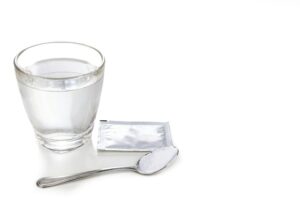
Electrolyte drink for morning sickness consisting of coconut water and salt
Be aware of the following symptoms of dehydration:
- thirst
- headaches
- dark yellow urine
- dizziness
- rapid heart rate
- rapid breathing
- muscle cramps
- lack of sweating
Replace fluids with:
- water
- crushed ice with squeeze of lemon and pinch of salt (celtic, Himalayan,sea salt)
- Electrolyte drink (look for low sugar content eg Re-lyte or LMNT) or coconut water
- fruit ice lolly
- broth
Keep your fluids up to prevent dehydration. If you notice dehydration worsening, seek medical help.
Electrolyte Recipe
Quarter fill a glass with fresh orange/lemon/apple juice. Top up with coconut water or plain tap water, squeeze an orange in with the water and add a generous pinch of Celtic, Himalayan or sea salt. Mix well and sip slowly
2) Getting Calories in and keeping them Down
If vomiting is common for you then ANY/ALL food is the right food for you and ANY/ALL food has calorific value! Eat whatever you can keep down!
(Remember this IS temporary)
Reducing the Severity and Frequency of Nausea and Vomiting
Controlling blood sugar levels reduces intense cravings for simple carbohydrates like crisps and biscuits. Extreme highs and lows of blood sugar levels cause and endless cycle of jitters often with nausea because the blood sugar level is low. Once the easily available carbohydrate is eaten, the blood sugar level spikes and drops causing this unmanaged cycle. The solution is better blood sugar control which can be achieved by adding protein and fat to control the extreme highs and lows.
Lets take an example:
The NHS website suggests high carbohydrate eg crackers.
- Could you substitute the cracker for a wholegrain/multigrain cracker
- Can you add some cheese
- Maybe consider adding salted nuts
- Would you be able to tolerate a clear soup too?
Think about adding to your basic carbohydrate, rather than eliminating
Nausea and Prenatal Supplements
Many women notice that their prenatal supplements leave them feeling quite nauseous. Lets look at how you can continue with taking your vitamins and minerals reducing the intensity of morning sickness:

Pregnant young woman taking prenatal vitamins that may contribute to morning sickness
- Take prenatals later in the day
- Take your prenatal supplements with or after a meal
- Try taking your supplements on an empty stomach last thing at night
- Split it into smaller doses throughout the day
- If your prenatals are in capsule form, empty the capsule contents into a smoothie or mineral drink
- Switch to a powder or gummy temporarily
- Check the iron content, and consider switching to an iron free supplement for now
Morning Sickness on Waking
The majority of women suffering with morning sickness will experience this nausea and/or vomiting first thing in the morning, as well as any time throughout the day.
To address this morning morning sickness try these suggestions:
- Late night snack to stabilise blood sugars eg cheese and multigrain crackers, smoothie with added protein powder, yoghurt and granola
- Eat before your feet get out of bed and within 15 minutes of waking. Have something in your bedside table, or get your partner to bring you something cold from the fridge.
Natural Remedies for Morning Sickness
Trying the natural route as your first line of defense eliminates potential side effects for you and your growing baby.
Ginger
- Ginger tea

Lemon, ginger and mint used for morning sickness
- Ginger-ale (consider home made if you want to control sugar/artificial sweetner)
- Ginger gummies
- Ginger chews/sweets
- Also consider peppermint
Lemon
- Add lemon slice to water/homemade ice-lollies
- Finish meal with lemon
- Diffuse lemon essential oil or keep freshly sliced lemon close by
Salty and Sour Foods
- Pickles
- Salt and vinegar crisps/chickpeas
- Fermented foods
- Electrolyte drinks
Vitamin B6
Studies have shown that women with low Vit B6 levels have more morning sickness, and we find a lot of anti-nausea/vomitting medication contains vit B6. The following food sources are high in this:
- avocado
- bananas
- potatoes
- spinach
- seeds
Magnesium
Most of us are deficient in magnesium and increasing magnesium rich foods is thought to play a supportive role.
- almonds
- leafy greens
- avocado
- legumes
- dark chocolate
5 Top tips for Morning Sickness
- Eat by the clock. Prevent yourself from getting too hungry by setting an alarm to eat every couple of hours. This will prevent blood sugar levels from falling which can cause nausea and vomiting
- Have nutrient dense snack in your car, bag or bedside drawer is a great alternative to grabbing those chocolate covered biscuits! Here's my favouite go to recipe. (Also a great snack for labour)
- Tap into intuitive eating and hunger cues. Being in tune with your own body's demands is such a beneficial skill to learn and deepen through pregnancy. By listening to your body tell you when to eat what to eat and how much to eat truly is a skill to master and keep throughout your life.
- Switch meal sizes. Depending on when your morning sickness is at its worst, plan your meals around that. If your symptoms are worst around dinner time, plan for a larger, more nutrient dense breakfast and/or lunch to ensure maximum nutrition.
- Use the 2-part meal schedule:
PART 1: As a starter meal eat whatever is 'best/friendly', whatever that may be for you.
PART 2: Eat the complete meal.
eg: Part 1: toast and butter. After 30 -60 minutes, Part 2: yoghurt, granola, eggs
Morning sickness is not the nicest part of pregnancy as it can interfere with every day life, affecting work and even your daily well being. Minimising the frequency and severity of your nausea and vomiting through what you eat, how often you eat, and using natural remedies to ease your discomfort can be your first line of defense. It is important to remember that morning sickness is temporary, and do the best you can right now with the understanding and practical applications you have discovered. Keeping hydrated and nourished, maintaining a stable blood sugar level and using food combinations with natural remedies can support you through discomfort of morning sickness