

There comes a time in your pregnancy when you start thinking that this baby of yours that is growing safely inside of you, needs to come out. Most women would like to try a ‘natural’ physiological birth. Unfortunately, with the level of early inductions and unnecessary interventions, this all increases the chance of a caesarean birth. The WHO's (World Health Organisation) guide for hospitals is between 10-15%. Caesarean sections are up across the globe. The UK's stats for 2023 c-section rates is 31%, with Northern Ireland showing 37.14%. The 2024/25 statistics show caesarean rates have continued to increase to 44%, with some Northern Ireland trust rates at 48.3! (Read more here) Sometimes a caesarean section is necessary and life-saving, however not at these (unacceptable) rates!
Let’s look at 10 ways you can decrease the chance of a c-sections
1) Stay Active in Your Pregnancy
Keeping fit and healthy throughout your pregnancy is incredibly important, especially if you want to avoid a caesarean. Birth is an intense physical event, and your body benefits from being strong, flexible and well supported.
Think about it this way: you wouldn’t attempt to climb a mountain with no preparation, or run a marathon without any previous training. In a similar way, gentle exercise during pregnancy can help prepare your body for labour and birth.
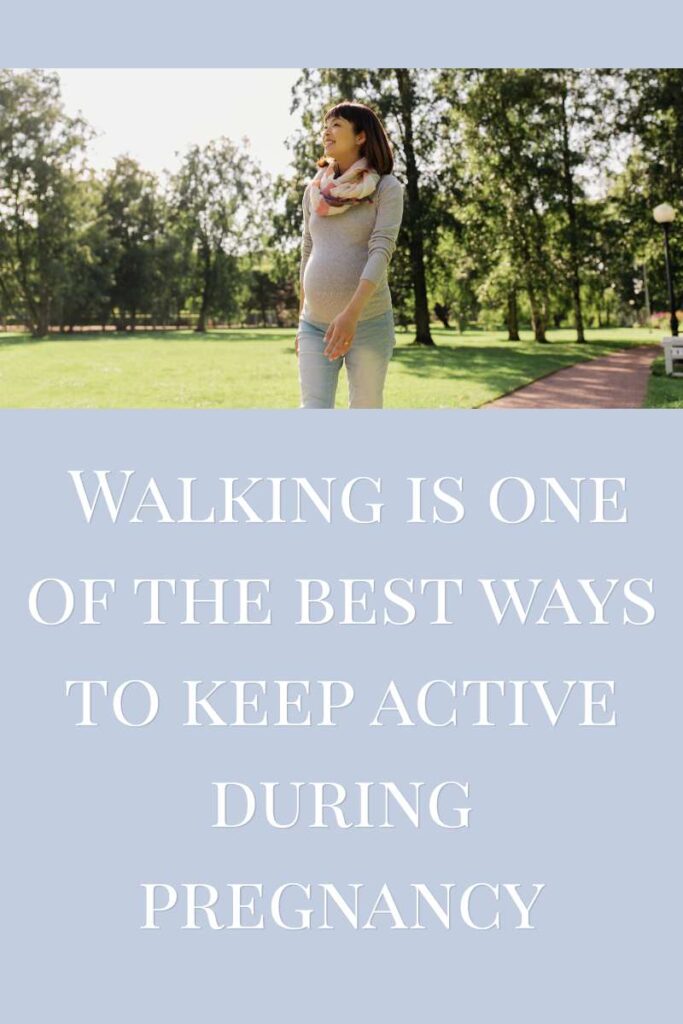
Walking during pregnancy
If structured exercise isn’t your thing, brisk walking is a wonderful place to start. Aim for around 30 minutes, three to four times a week if you can.
Walking helps with overall toning and strengthening, and it’s one of the simplest ways to stay active while pregnant. Being upright and moving also allows gravity to work in your favour, helping your baby settle into a good position for birth as your ligaments and fascia gradually soften and lengthen during pregnancy.
Pregnancy yoga and pilates
There are many excellent pregnancy yoga and pilates classes available both online and in person. These classes focus on strengthening your core, improving flexibility and supporting your posture as your body changes.
The gentle stretching involved in these practices can also help create a little more space within the pelvis and abdomen, which may encourage your baby to move into an optimal position for labour and birth.
Swimming and aquanatal exercise
Swimming or aquanatal classes are another fantastic option during pregnancy.
The water supports your body weight and takes pressure off your joints, which can be a huge relief as pregnancy progresses. Many women find that aches, heaviness and tension ease as soon as they enter the pool.
The warmth of the water helps muscles relax, while the buoyancy allows you to move more freely. After a swim, many pregnant women say they feel refreshed, energised and far more comfortable.
The wider benefits of staying active
Staying active during pregnancy helps keep your endorphins (the body’s natural “feel-good” hormones) flowing, which can boost your mood and overall wellbeing.
There are also important health benefits. Research shows that regular exercise before pregnancy can reduce the risk of gestational diabetes by around 55%, and continuing to exercise during pregnancy may reduce the risk by around 24%.
Gentle, consistent movement supports both your physical health and your emotional wellbeing, helping you feel stronger and more prepared as you approach birth. With the strengthening and optimising baby's position, this all helps prevent a c-section
2) Maintaining a Healthy Weight During Pregnancy
Gaining an appropriate amount of weight during pregnancy is important for both your health and your baby’s development. Both gaining too little and gaining too much weight can carry certain risks.
Gaining too little weight during pregnancy may increase the likelihood of premature birth or a baby with a low birth weight, which can create additional challenges for both baby and mother after birth.
On the other hand, gaining too much weight can increase the chances of complications such as gestational diabetes, high blood pressure, preterm labour, or having a larger baby (sometimes referred to as macrosomia).
Within many maternity systems, weight can also influence how your pregnancy and labour are managed. In some cases, this may affect whether certain interventions are recommended during labour and birth.
It’s important to note that pregnancy is not a time to intentionally lose weight. Restricting food intake can mean you and your baby miss out on essential nutrients needed for healthy growth and development.
If you are concerned about weight during pregnancy, it can be helpful to explore balanced, evidence-based information. I often recommend the book Plus Size Pregnancy by Sara Wickham, which examines the research around BMI and pregnancy. The book offers a thoughtful, evidence-based perspective and encourages parents to ask questions and advocate for the care and birth experience they want.
3) Educate Yourself About Birth
One of the most powerful ways to prepare for birth is through education and positive exposure to real birth experiences.
This might include:
- Taking an independent childbirth preparation class (Childbirth Education Classes)
- Reading inspiring birth books
- Watching real birth videos
- Listening to pregnancy and birth podcasts
- Visiting informative, evidence-based websites
For many of us, our first impressions of birth come from films and television. These portrayals often focus on dramatic and chaotic labour scenes, where waters suddenly break, and labour instantly becomes overwhelming and out of control.
In reality, birth is often far more gradual and varied than these portrayals suggest.
We can also be influenced by the difficult birth stories we hear from friends or family. While these experiences are valid and important, hearing only challenging stories can shape our expectations in a really unhelpful way, bringing fear and doubt into reality.
Learning about how labour works physiologically, what options are available during pregnancy and birth, and how to support your body through labour can help you feel more informed and confident.
For some women, understanding the maternity system, including how inductions and other interventions may affect labour, can also help them make choices that feel right for them. For others, knowing how incredibly designed their body is for pregnancy, labour and birth is empowering and helps them make appropriate decisions in supporting that.
Surrounding yourself with balanced information and positive birth stories can help shift your mindset and build trust in your body’s ability to give birth.
Here are some of my recommendations:
Books
- Ina May's Guide to Childbirth
- The Positive Birth Book by Milli Hill
- The Birth Partner by Penny Simkin (this book is great to read with your partner too so they are well informed and prepared)
- ALL Dr Sarah Wickham books
- Why It Matters Books
Podcasts
- The Great Birth Rebellion
- The Ultimate Birth Partner
- Midwives Cauldron
- Positive Pregnancy and Motherhood (Pop That Mumma)
- The Birth-ed Podcast

Evidence-based Websites
4) Become Informed & Ask Questions
It’s normal to have questions or even fears about birth. Taking time during pregnancy to explore and address those fears can make a big difference when labour begins. Once labour is underway, there is very little space to process new information or complex decisions.
One of the most empowering things you can remember is that you (usually) have choices when decisions arise during pregnancy or labour.
A simple tool many parents find helpful is the BRAIN decision-making method, which can guide conversation with your health-care provider, helping you make an informed decision that is right for YOU.
BRAIN stands for:
- B ~ Benefits – What are the benefits of this
- R ~ Risks – Are there any risks to me or my baby?
- A ~ Alternatives – Are there other options available?
- I ~ Intuition – What is my gut feeling telling me about this?
- N ~ Nothing – What happens if we wait or do nothing for now?
Using BRAIN can help you pause, gather information and feel more confident in the choices you make.
Many parents also benefit from attending a childbirth education class, where you can learn about topics such as:
- How the body prepares for labour
- Signs that labour may be approaching
- The role of the environment in supporting labour
- The stages and progression of labour
- Natural and medical pain relief options
- The importance of bonding during the “golden hour”
- Breastfeeding support
- Postnatal recovery
If you are working with a doula, these topics are often explored during prenatal sessions, helping you feel informed and prepared for the birth ahead.
5) Consider Your Place of Birth
Where you choose to have your baby can have a real impact on how your labour and birth unfold.
If your pregnancy is straightforward and free from medical complications, it may be worth exploring all of your options of where to birth, including a midwifery-led unit or even a home birth.
Before the introduction of the NHS in 1948, most women gave birth at home or in midwife-led settings. Today, the majority of births take place in obstetric-led hospital units, where medical support is immediately available IF needed.
Hospital settings play a vital role, particularly when genuine medical complications arise. However, they are also environments where they favour a medical approach to birth with monitoring, time pressures, and access to medical interventions when your labour isn't following the 'normal' pattern of birth.
For many women, this can increase the likelihood of interventions such as induction, continuous monitoring, or assisted birth, all of which can influence the overall course of labour.
In contrast, midwifery-led units and home settings are often designed to support physiological birth, with a focus on minimal interruptions, trust in the woman's ability to birth and supporting her freedom to move as she chooses.
Being in a familiar, safe and calm space, especially at home, will help encourage the release of hormones like oxytocin, which supports the progression of labour.
Research has shown that for women with low-risk pregnancies, planned birth in a midwifery-led unit or at home is associated with lower rates of intervention, including lower rates of caesarean birth, while still maintaining safety for both mother and baby. (https://www.npeu.ox.ac.uk/birthplace)
Ultimately, the right place to give birth is a personal decision. Taking time to understand your options and how different environments may influence your experience, can help you choose the setting that feels safest and most supportive for you.

6) Trust Your Body
Learning how the body is designed to give birth can help replace fear with confidence.
Birth has become increasingly medicalised over the past several decades, and while medical care is incredibly important if complications arise, the physiological process of birth is sometimes overlooked or misunderstood.
Understanding how your body changes during pregnancy and labour can help you appreciate the incredible work it is doing to bring your baby into the world.
As you learn more about birth physiology (see points 3 and 4), many women begin to feel a deeper sense of trust in their bodies and their babies.
It can also be helpful to protect your mindset during pregnancy. Well-meaning friends and relatives sometimes share difficult birth stories, often without realising the impact they may have.
If conversations start to become overwhelming or frightening, it is completely okay to politely change the subject or step away. Surrounding yourself with positive, supportive birth stories can make a meaningful difference to your confidence as you approach labour.
7) Consider Hiring a Doula
Continuous support during pregnancy and labour can have a powerful impact on the birth experience.
A doula provides emotional, informational and practical support to you and your partner throughout pregnancy, labour and early postpartum. Because a doula’s role is solely focused on supporting YOU, she can offer continuous care, reassurance and comfort techniques during labour.
Research has shown that continuous labour support can improve birth outcomes. A large review of studies found that women who had continuous support during labour were:
- More likely to have a spontaneous vaginal birth
- Less likely to require pain medication, epidurals or instrumental births
- Less likely to have a caesarean birth
- More satisfied with their birth experience
Labour with continuous support also tended to be slightly shorter on average, and the risk of postnatal depression was lower.
If you are curious about whether doula support could be right for you, booking a discovery call can be a helpful first step in seeing if the relationship feels like a good fit. (Article: Finding the right doula)

8) Labour at Home for as Long as Possible
Building on the importance of your birth environment, where you spend early labour can also have a significant impact on how labour progresses.
Early labour often unfolds best in a familiar, calm and private space. For many women, this means staying at home for as long as they feel comfortable.
Being in your own environment can support the release of oxytocin, the hormone responsible for stimulating contractions and helping labour progress. Oxytocin tends to flow more easily when you feel safe, relaxed and undisturbed.
At home, you may find it easier to:
- Move freely
- Dim the lights
- Listen to music
- Rest between contractions
- Eat and drink when you want to
- Create a space that feels calm and supportive
Many women notice that labour feels more manageable and progresses smoothly in this kind of environment.
Author Milli Hill describes this beautifully in The Positive Birth Book:
“It doesn’t take a rocket scientist to work out why a creature who performs better in a warm, cosy and familiar place where they feel safe, would perform better in a warm, cosy and familiar place where they feel safe.”~Milli Hill~
As labour becomes well established - when contractions are regular, stronger, and require more of your focus, it may be time to move to your planned place of birth if that is outside the home.
Many care providers suggest transferring to the hospital/birth centre when contractions have been consistent for around an hour, coming every few minutes and lasting about a minute each. However, this can vary from person to person.
Most importantly, trust how you feel. If at any point you feel unsure or would feel more secure being in the hospital sooner, it is always okay to go in.
For some families, this conversation also opens the door to considering home birth as an option. For women with low-risk pregnancies, a planned home birth can offer a calm, uninterrupted environment that supports physiological labour. (See point #5)
Research suggests that for many low-risk pregnancies, planned home birth is as safe as hospital birth, with lower rates of intervention. Plans can always change if needed, but exploring your options early can help you feel informed and prepared.
9) Stay Upright & Mobile
Movement during labour can help support your body and encourage your baby to move down into the pelvis.
Staying upright and mobile allows gravity to assist the progress of labour. Some helpful positions and movements include:
- Walking
- Climbing stairs
- Leaning forward over a counter or birth ball
- Being on hands and knees
- Lunging or swaying
- Slow dancing with your partner
Relaxing your jaw, shoulders and hands can also help your body stay loose and open during contractions.
Lying flat on your back often makes labour more uncomfortable and it also reduces the space available in the pelvis by inhibiting the sacrum from moving. When possible, staying upright or leaning forward can help the pelvis open and support your baby’s descent.
10) Think Carefully about Induction
Induction of labour may be recommended for a range of reasons, some which are a genuine medical necessity. When it is suggested, it can be helpful to take time to ask questions and understand your options (using the BRAIN tool mentioned earlier).
Induced labour often progresses differently from spontaneous labour. Instead of gradually building in intensity, contractions may become stronger more quickly, which can sometimes make labour feel more intense.
For some women this can lead to additional interventions, such as stronger pain relief or continuous monitoring, which may reduce mobility during labour. This is called the cascade of interventions which may lead to a caesarean section,
If you would like to explore the topic further, midwife and researcher Sara Wickham offers excellent evidence-based information on her website and in her book In Your Own Time
11) Have a Back-up Plan
Even with preparation, labour can sometimes feel overwhelming. Having a few backup strategies in mind can help you regain focus and continue coping.
If labour becomes intense, you might try:
- Changing your position or movement
- Stepping into the bathroom for a few quiet contractions
- Trying a different breathing technique
- Drinking water or having a small snack
- Emptying your bladder regularly
- Using a new comfort measure, such as massage or water
When trying a new comfort technique, give it several contractions before deciding whether it helps.
And remember: it is okay to choose pain relief if you need it. Birth is not a test of endurance. The goal is a safe birth and a positive experience for both you and your baby.
Preparing for birth can feel overwhelming, but small steps can make a big difference.
Staying active, learning about birth, surrounding yourself with supportive people and understanding your options can help you approach labour with greater confidence.
Trust your body, protect your mindset and gather the support that feels right for you. Every birth journey is unique, and the goal is always a safe and positive experience for both you and your baby.
Birth education can be one of the most powerful ways to prepare for labour.
If you'd like to feel more confident about your options, learn how labour works, and understand how to support physiological birth, explore my birth preparation sessions here.